How to Grow Mint in Garden, Container, and Raised Beds
I like to use mint in my cooking, so growing it is one of my favorite things. It’s such a refreshing herb. Because of its many health benefits, I have been growing this plant continuously for many years. For a while now, I’ve used mint as a staple in my garden due to its strong flavor and smell and the joy it brings to my kitchen and my garden. Mint is a culinary favorite that is quite simple to grow, from refreshing drinks to the perfect sauce for potatoes and grilled lambs.
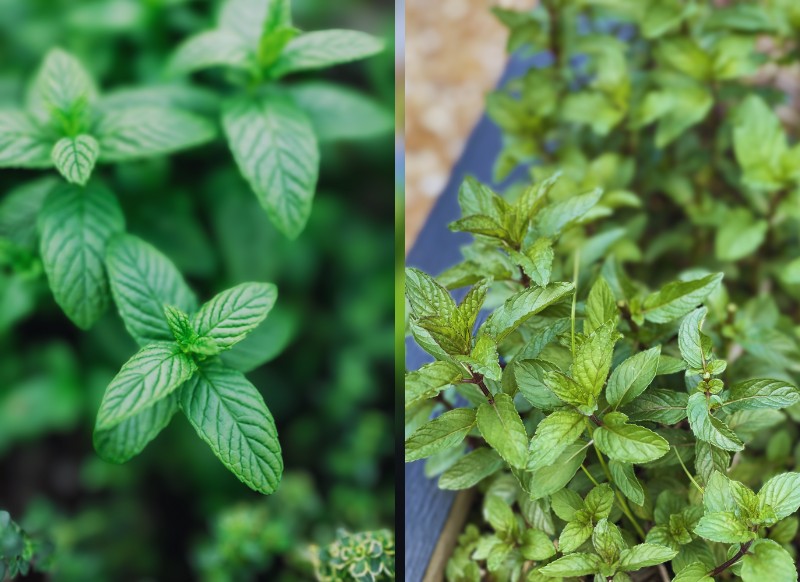
This comprehensive guide includes everything you need to know about growing, harvesting, and storing mint, regardless of whether you need to enjoy its lush flora in raised beds or containers. Reward? As a result, your garden will attract beneficial insects such as lacewings, butterflies, and honey bees, thus increasing its interest and use!
Why Grow Mint?
For many years, mint was the most popular plant in my garden because it is one of the easiest herbs to grow. It blooms in most soil types, adjusts to both sun and partial shade, and takes very little care. After planting, it takes care of itself; all it needs is regular watering and frequent pruning to keep it in check. You can grow mint in the ground, in raised beds, or in containers, where it grows quickly and abundantly, providing you with all the mint you need.
There are so many uses for mint that it is almost a necessity for any gardener. It’s necessary in the kitchen for anything from refreshing teas to making delightful dishes like lamb’s mint sauce. In terms of medicinal benefits, mint aids digestion and helps with sickness and migraines. Furthermore, the lush, green leaves enhance any balcony or garden and attract beneficial insects like butterflies and honey bees, which help to maintain the stability and growth of your garden.
Types of Mint
I’ve grown a variety of mints throughout the years, and everyone adds a special beauty to the kitchen and garden. Below is an overview of some of the more common types that I’ve dealt with, along with details about their unique tastes and uses:
- Peppermint: My favorite is peppermint because of its energizer smell and amazing, refreshing flavor. It can be used with drinks, sweets, homemade pain balms, and chest rubs. Because of its high methyl focus, it has a more refined flavor and is perfect for when you need an energy boost.
- Spearmint: it is incredibly versatile and has a gentler, stronger flavor. I enjoy using it in tasty recipes like cocktails, mixed salad platters, and sauces. It’s popular for family dinners and energizing drinks because it’s not as strong as peppermint.
- Chocolate mint: With its delicate cocoa fragrance and minty specifics, chocolate mint has been a pleasant addition to my herb garden. It’s delicious in sweets, especially when combined with brownies, ice cream, or chocolate cakes. Children (as well as adults) adore their unique twist!
- Apple mint: The delicate, sweet smell of apple mint suits salads and light teas well. Its fuzzy leaves add a unique touch to the garden and contrast with other mints’ smooth textures.
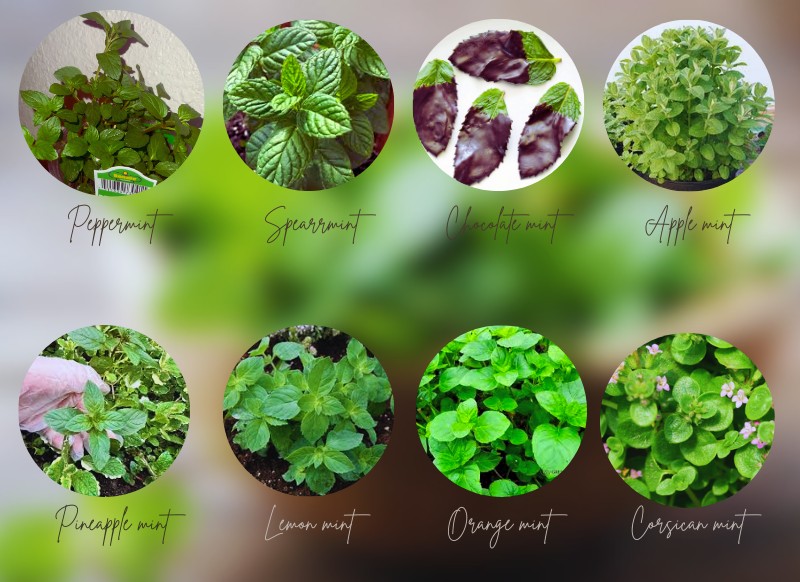
- Pineapple mint: With its soft and speckled leaves, this is possibly one of the most beautiful mint varieties I’ve produced. It is often used as a garnish or in fruit salads because of its mildly fruity flavor. But it also has the potential to be digestible, so it’s a double-edged plant in the garden.
- Lemon mint: Lemon mint gives foods and drinks a zesty citrus flavor. For a refreshing boost, I particularly enjoy adding it to iced water, lemonades, or cocktails. It is a favorite in summer cooking because of its wonderful flavor.
- Orange mint: Orange mint is interesting because of its mild citrus flavor, despite being less popular. It works well for infusing teas and oils and even making potpourri.
- Corsican mint: This tiny leafed variety is a ground cover with a strong flavor and a sensitive texture. Although it is not as often used in cooking, it is excellent for growing between stones to release the smell when crushed.
Choosing the Right Mint Type
Think about your desired usage while choosing the mint to grow. Chocolate mint and peppermint are amazing for drinks and sweets. But if you’re looking for a versatile culinary spice, spearmint is the best choice. Pineapple or Corsican mint provides attractiveness with flavor for a refreshing touch. Despite the variety, Mint’s flexibility makes it a pleasure to grow, whether in a garden or on your kitchen windowsill.
Benefits of Mint
Mint is a useful plant for cooking and health because it has lots of health benefits.

- Helping Digestion: By relaxing the muscles in the gut, mint reduces heartburn and swelling. Especially peppermint tea is known to aid in digestion by encouraging the production of bile.
- Reducing headaches and migraines: Mint’s menthol may work as a natural pain balm, relieving migraines and other headache-related symptoms. Also, it reduces nausea, especially when taken as a tea or applied as a revitalizing oil.
- Boosting Immunity: Mint is rich in antioxidants, such as vitamin C, which strengthens the immune system and prevents infection.
- Enhancing Dental Health: The antibacterial qualities of mint make it an effective way to prevent bad breath and maintain overall dental hygiene. Breathing can be made more refreshing by using mouthwashes made with mint or just eating fresh leaves.
- Reducing Stress and Improving Focus: The relaxing qualities of mint can help people feel less stressed and anxious. Mint tea has been shown in studies to enhance mental clarity and focus.
These benefits have been confirmed by scientific study, which emphasizes the soothing, anti-inflammatory, and digestive qualities of mint.
Ideal Soil, Location, and Condition
According to my studies, mint is one of the most versatile plants you can grow; however, it will flourish with lush leaves and a strong flavor if you give it the proper soil, location, and care.
Best Soil for Mint
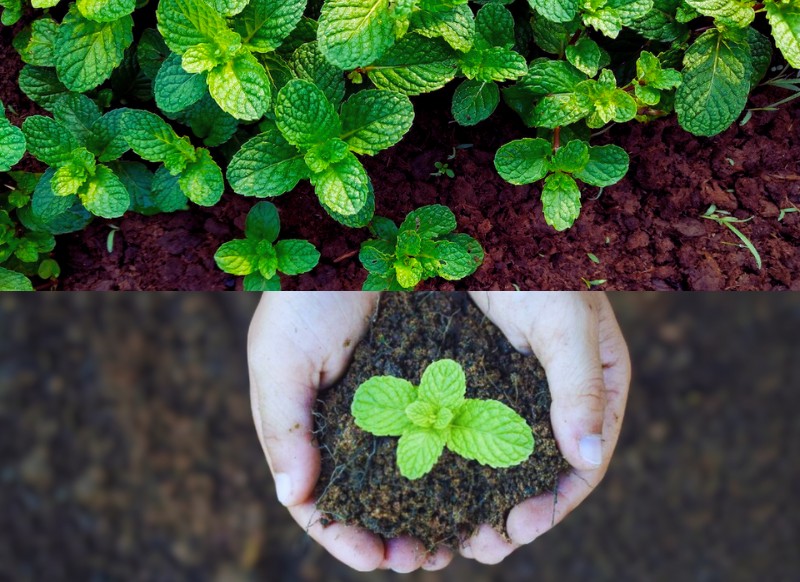
I want to tell you that mint can thrive in a wide range of soil types; it grows in moist, heavily drained soil that has been amended with organic matter like manure. As a means to add nutrients and further produce soil structure, I usually blend manure into the growing place or container. Mint requires somewhat acidic soil (pH 6.0–7.0), yet it’s one of the more casual types. Great waste is necessary because mint likes wetness; soggy roots can quickly cause root damage.
Location and Sunlight
As mint grows in full sun to light shade, I’ve noticed that it thrives in areas that receive morning sunlight and some daytime shade, especially in hotter climates. If you’re planting indoors, put it near a bright window that receives at least four to six hours of light each day. Choose a spot outside where it is not competing with other plants because mint’s tendency to grow is bound to take over garden beds.
Temperature and Humidity Requirements
Mint grows in temperatures between 65°F and 70°F, making it a perfect choice for spring and late spring planting. However, mint is extremely durable, resisting temperatures as low as -20°F, making it a reliable choice for zones 2–10. I cover the base of open-air plants in colder climates to protect the roots from freezing.
Mint likes to be somewhat humid (around 40–50%), and when grown indoors or in arid conditions, irregular clouding prevents shriveling and keeps the leaves fresh. Higher levels of moisture are more tolerant than really dry conditions, in my experience.
Seasonal Considration
Mint can be grown indoors all year in a controlled environment or planted in the spring once the soil starts to warm up. Mint is a low-maintenance element to any herb garden because of its robust nature, which allows it to thrive during harsh winters. You may enjoy a mint plant that thrives and enhances your kitchen and nursery all year long by choosing the right location and preparing the soil.
Step-by-Step Guide to Growing Mint
Trust me, growing mint in a container at home or in your garden is a really easy process. This herb doesn’t require a lot of effort or care. Many years ago, when I first tried to grow mint, I was quite young. My grandfather guided me through this process while I experimented with planting it in a plastic container or pot. It was actually a very happy and rewarding experience for me. After that, I decided to try growing this herb in my garden, and I succeeded. I am here now to share with you my ultimate guide!
When to Plant: Perfect Timing
Mint grows best in the spring after the last snow when soil temperatures have risen to at least 55°F (13°C), as it grows in warm soil. Mint can also be grown in the fall in areas with warm winters. If you are starting seeds indoors, plant them half a month before the last expected date of frost. When the weather warms up, move the seedlings outdoors.
Starting Mint Plants
You can start growing mint in lots of ways:
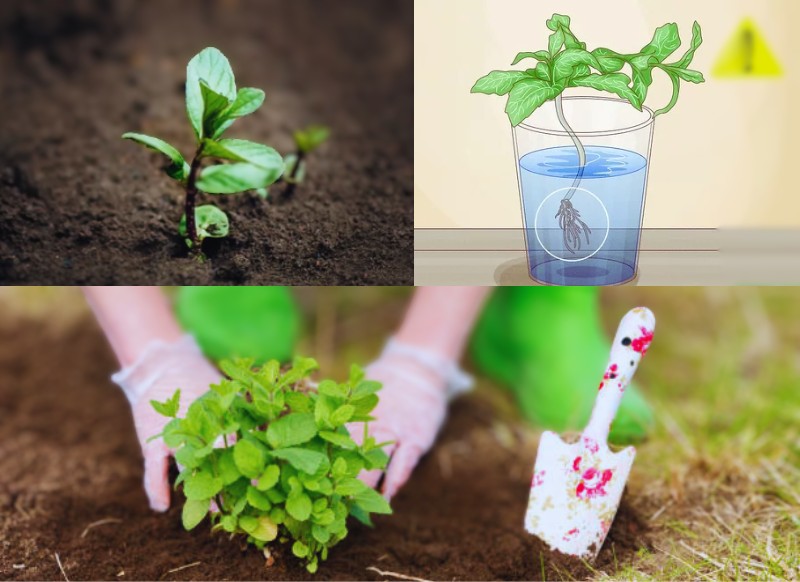
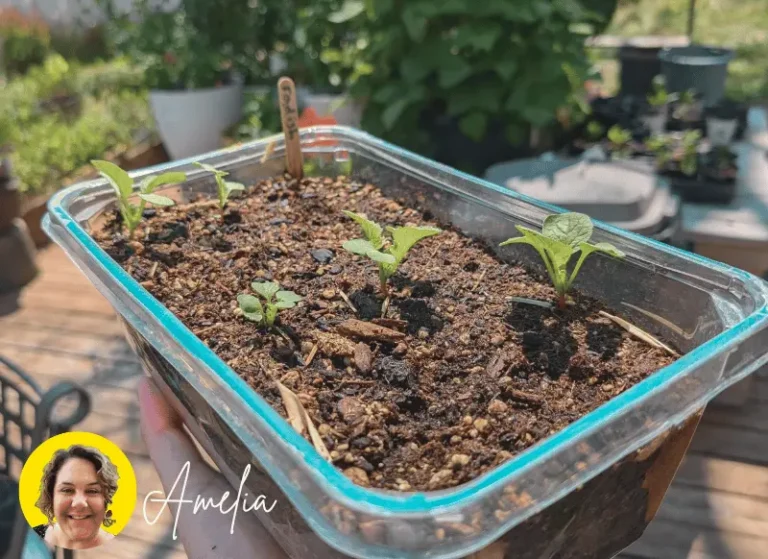
- From seed: It is possible to grow mint from seeds, although it could be a slow and risky process. Most of the time, germination rates are low, and the resulting plants may not have the desired flavor quality. Since seeds need light to germinate, if you choose this method, plant them indoors on the top layer of soggy, well-draining soil. Keep a temperature of about 70°F (21°C) and keep the soil consistently moist. Ten to fifteen days may be needed for germination.
- From cuttings: The method of growing mint from cuttings is straightforward and reliable. The twig should be cut directly below the hub of an existing mint plant. To ensure there are no leaves, cut the lowest leaves and place the cutting in a glass of water. Little white roots should appear within seven days. Once the roots have grown, place the cutting in the soil.
- From store-bought plant: The simplest way to get started is by buying mint seedlings from a store. These plants are suitable for easy transfer into your garden or containers. Ensure the plants you choose are healthy, have vibrant green leaves, and are free of disease.
Planting Mint
- Preparation: Mint likes moist, heavily drained soil that has been amended with organic materials like fertilizer. If you are planting mint in the ground, consider using a barrier or planting it in a container to prevent its unsightly spread. Choose a container that is at least 12 inches wide and has drainage holes to allow for the growth of the plant.
- Spacing: Mint plants should be placed 18 to 24 inches apart to allow for enough air flow and growth. They should be planted at the same depth as when they were filling their special container. If you are planting cuttings, make sure the entire planted area is covered with soil, and lightly tap the ground around the roots.
- Quick Care: Provide plenty of water to the mint after it has been placed so that the soil around the roots can be loosened. Make sure the ground is consistently moist, especially at the beginning of the season when the ground is at its base, but avoid waterlogging because mint won’t tolerate wet conditions. Light mulching can help retain soil moisture and limit weed growth.
If you want to watch the whole planting process, then watch this video:
Growing Mint in Containers or Raised Beds/How to Grow Mint Indoors
As I said before, growing mint in raised beds or containers is an effective way to manage this hardy herb, preventing it from overtaking your garden and making cooking easier.
Containers
Growing mint in containers is one of the most effective ways to manage this fast-growing herb. Mint is known for its parasitic root system, which can quickly spread and overtake other plants.
You can enjoy its fresh smell and leaves without worrying about it overtaking your garden by placing it in a container. To prevent waterlogging, use a pot that is at least 12 inches large and has enough drainage. Mint grows on a rich, well-draining soil combo, and fertilizer can enhance growth.
Make sure the plant receives at least six hours of sunlight each day by placing the container in an area that receives partial shade to full sun. Watering regularly is important; keep the soil wet but not soggy. Regular pruning will encourage bigger growth and prevent flowering, which can reduce the quality of the leaves.
IN Raised Beds
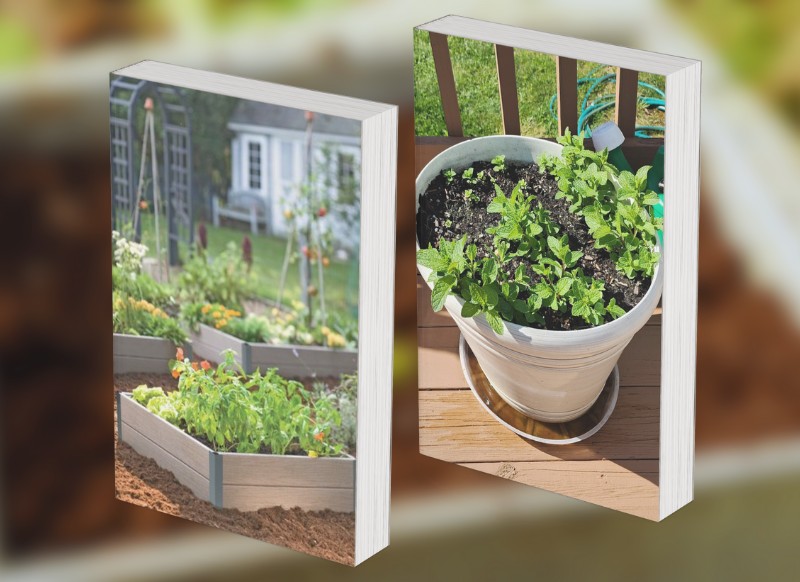
While growing mint in raised beds is possible, extra care must be taken to manage its fast growth. The roots of mint, known as racers, can grow quickly, take over the whole bed, and crowd out other plants. You can prevent this by adding root barriers to the soil inside the raised bed or growing mint in a boundless container. This limits the roots to a small area.
Mint thrives in raised beds with mature, well-draining soil enriched with natural matter. The bed should receive half shade to full sun, and it should be watered frequently to maintain consistent soil moisture levels. Regular harvest or management is necessary for the plant to remain healthy and feasible.
Which option is better?
Because it allows for more control over its spread, growing mint in containers is the simpler and more sensible option for the majority of gardeners. However, raised beds might also work well if you have a specific herb garden or will be managing its growth. The two options allow you to enjoy all the culinary and medicinal benefits of this versatile herb. This visual content will help you
Care and Maintenance For Growing Mint
While mint is a hardy herb, it benefits most from the right conditions and care, just like any other plant. Based on my years of expertise, I’ve found that a few regular steps ensure lush, healthy mint plants.
Watering
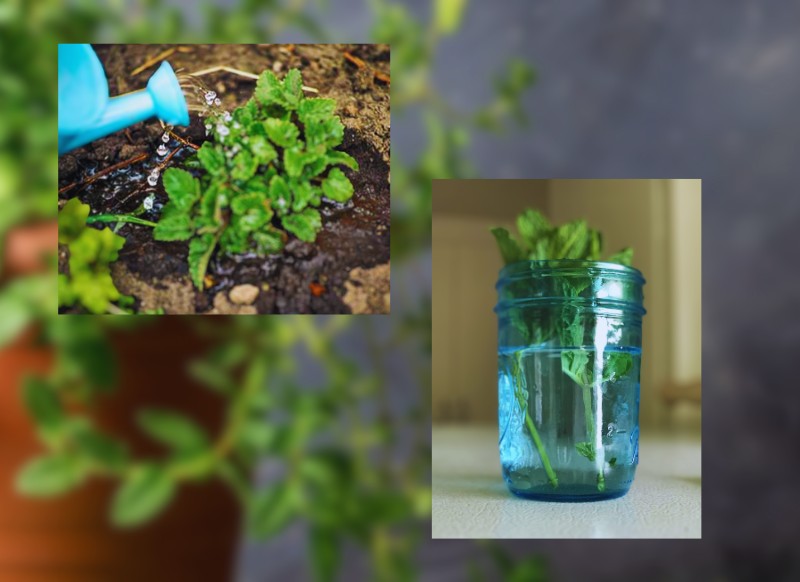
Mint thrives in regularly wet soil and enjoys wetness. When I first started growing mint, I learned the hard way that inconsistency may stunt growth. To help to ensure that the soil stays moist but not soggy, I try to make a habit of watering deeply about once a week, and more often on hot late spring days. In the rare case that you are growing mint in containers, you may need to water regularly because pots can dry up more quickly. Around the bottom, a layer of mulch keeps moisture and keeps the roots cool.
Fertilizing
Mint isn’t a heavy feeder, but it can do amazing things with a little help. I was looking into a variety of fertilizer options at the start of my planting procedure. After some time, I realized that natural manure, or a moderate, regulated liquid compost sprayed once a month throughout the growing season, keeps the plants lush and active. Avoid over-preparation, since this may lead to unnecessary growth that takes away from the flavor of the mint.
Pests and Disease Management
Pesta: As mint is usually strong, it is not safe for insects or diseases. Aphids and insect parasites are common issues that sometimes follow them to the delicate leaves. I would say that a quick spray of mixed Neem oil or a soapy water solution works well for controlling these pests. If the problem is serious, I gently wash the plant under a constant flow of water, being sure to reach the bottoms of the leaves where pests usually hide.
Diseases: Sometimes, diseases like rust and powdery mildew may arise, especially in hot climates. Rust may spread quickly and look like little orange dots on the leaves. I’ve worked out how to remove affected leaves quickly and, by properly separating them, further make the airflow around the plants. By providing enough sunlight and watering the plant’s base, not its leaves, powdery mildew—a white, powdery covering—can be avoided.
When and How to Harvest Mint?
One of my favorite moments in the growing process has always been harvesting mint. Cutting those scented leaves and knowing they may be used successfully in cooking or for natural remedies is incredibly satisfying. Over time, I’ve learned a few tricks that make the process truly rewarding and ensure my mint plants stay healthy and productive.
When to Harvest
The first time I harvested mint, I clipped away at a little plant that was just a few inches tall because I was so excited. It made it through, but I quickly realized that patience is valued. By the time the mint plant has grown nicely and is around 4 inches tall, it is the ideal time to harvest it. I wait till just before the plant begins to blossom for the finest flavor. At this point, the leaves have a fantastic minty flavor and smell due to the therapeutic compounds they possess.
Another example I’ve gotten along the way is harvesting on time in the morning. The leaves are at their freshest, the dew has dried, and the sun isn’t too harsh yet. In teas, veggies, or meals, this timing enhances the flavor by preserving the oils of the mint.
How to Harvest
I use sharp, clean scissors or garden clippers when the time is right to harvest; I’ve come to trust these tools after a few mistakes with dull blades. I gently trim the stems just above the group of leaves. This method prevents the plant from looking weak and promotes fresh growth. Plus, I’ve found out that to avoid taking on too much, removing more than 33% of the plant can cause it to get anxious. If everything else is equal, I take what I truly desire and wait for the plant to heal before plucking again.
Harvesting regularly is one of my favorite methods. In addition to keeping the mint tall and fruitful, this stops it from flowering, which could cause the leaves to become a little bitter. Plus, I quickly pinch off any flowers that begin to grow to help get the plant’s attention on growing tasty leaves.
Some Pro Tips
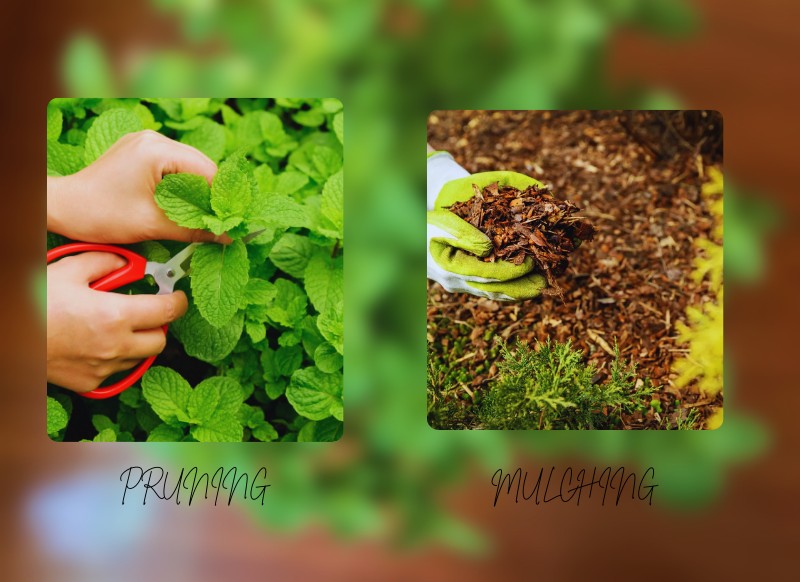
- Pruning regularly promotes larger and more fruitful mint growth. Since blooms may affect the flavor of the leaves, trim back those that seem to encourage more growth of leaves.
- Provide Shade During Hotter Months: Mint prefers partial shade, especially in hotter areas, but it can withstand full sun. It may wilt if exposed to too much direct sunlight, so think about giving it some daytime shade.
- For moisture, use mulch. Mulching the area surrounding your mint plant’s base keeps the soil cool and helps retain moisture, especially in the summer. This can help with weed control as well.
- Control Spreading: Remove any new stems that appear too far from the primary plant and cut back roots to prevent your mint from spreading over.
Conclusion
Whether you want to grow mint in raised beds, pots, or directly in your garden, the process can usually be rewarding and simple. Every culinary need can be satisfied with one of the many mint varieties available, going from the refreshing peppermint to the unique chocolate mint. Mint is a great addition to your garden because it grows well in a variety of climates and takes little care, no matter your level of experience with gardening.
Why don’t you try it? There has never been a better moment to begin growing mint if you want to do so for culinary purposes, health reasons, or just to give your garden a fragrant touch. I would like to hear about your experiences with mints, so please share your favorite types or any growing advice you’ve picked up along the way!
Can I grow different types of mint together?
Yes, you can grow different types of mint together, but it’s important to keep them in pots or raised beds to prevent them from overtaking other plants. Keeping mint separated will help manage its growth because it can be irritating.
What is the easiest type of mint to grow for beginners?
One of the easiest mint varieties for beginners is spearmint. It is ideal for beginner gardeners as it is flexible, versatile, and grows quickly with minimal care.
What are the mint companion plants?
Companion plants for mint include chamomile, which adds flavor, and cabbage, tomatoes, and peas, which benefit from mint’s ability to keep pests like ants and aphids away; mint also works well with parsley and oregano, which share similar growing conditions and can help keep harmful insects away; however, it may stunt the growth of carrots and onions.

About Author
Welcome! I’m Amelia, your dedicated gardener and passionate advocate for all things green.Explore my gardening journey through beautiful photos, insightful articles, and helpful tips. If you have any questions or just want to connect, feel free to drop me a note. Let’s grow together!