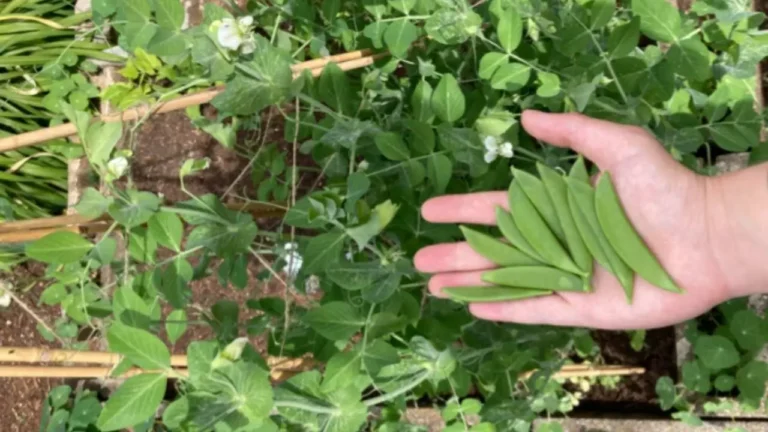
How I Perfectly Grow Pole Beans – Expert Guide
Guys, I love to grow and eat pole beans, so now I want to guide you and also encourage you on how to grow pole beans perfectly. I’ve found that a pre-summer vegetable garden wouldn’t feel complete without green beans. Pole beans are my top pick out of all the varieties since they are space-effective, yield great, come back, and have a long harvest season.
These climbing plants thrive in vertical gardens, turning little areas into a plentiful source of delicious beans. They are highly useful because they can produce 3–4 pounds per plant. They take more planning than bush beans, but it’s well worth the effort. Besides the fact that they supply a longer harvest season, they are also filled with protein, fiber, as well as vital vitamins.
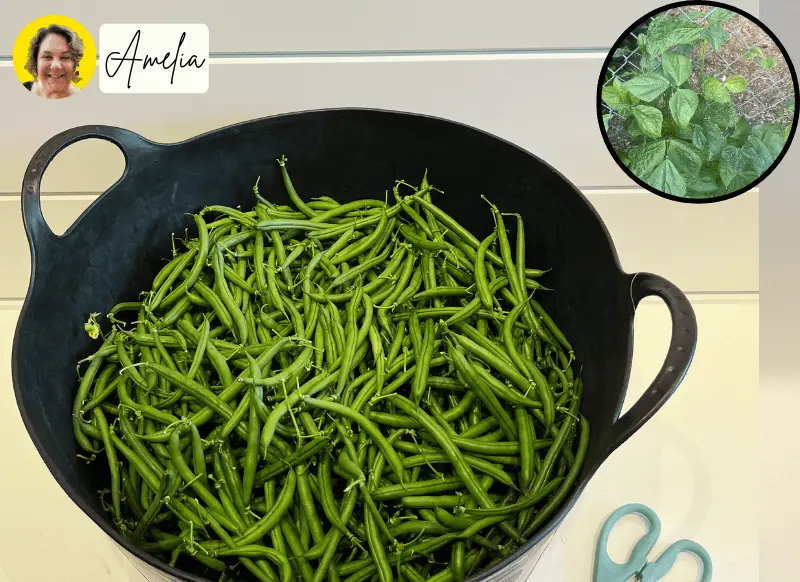
In my garden, I’ve had amazing results growing them, and every year they give me an awarded harvest that I can enjoy all season long. They’ve truly become a garden important for me, and I recommend them to anyone looking for ways to improve their garden area. So get ready and fold your sleeves for growing pole beans in your gardens and containers as well.
What Are Pole Beans?
Pole beans, also known as runner beans, are green beans that grow tall on hardy vines. Because of their extraordinary height and yield, they are a favorite in my vegetable garden. Pole beans are a type of common bean (Phaseolus vulgaris) that tends to climb, reaching a height of 6 to 10 feet. Plants of the pole bean family are supported by lattices, shafts, or fences to reach their full potential, whereas bush beans grow smaller, self-supporting plants growing 1 to 2 feet high.
Higher yields and a longer harvest period reward an extra month of nonstop picking. I still remember the first year I planted Kentucky Wonder beans. After I made a basic bamboo pole teepee trellis, the vines twined higher to create a beautiful green canopy in a few weeks.
My favorite part of my garden was watching the plants waving in the wind, as well as the delicious, fresh beans they brought. Scarlet Runner and Kentucky Wonder are two examples of efficient and beautiful varieties that enhance any garden. In my experience, their ability to climb makes them perfect for small gardens, and their immunity to disease ensures a consistent harvest. Pole beans are an excellent choice for gardeners seeking regular harvests and space efficiency.
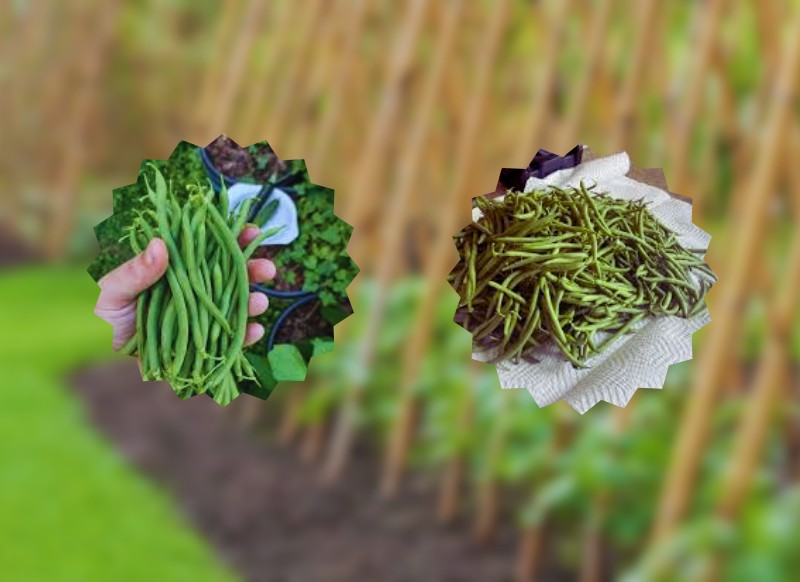
Gardeners should consider their available space, desired harvesting time, and willingness to give help when selecting pole or bush bean varieties.
You may find the following video helpful for visual analysis and more information about the differences between bramble beans and post bean.
How to prepare pole beans for planting?
Choosing the right pole bean collection and type for your garden can be challenging, but you can find the perfect match by considering your environment, culinary preferences, and growing conditions. After long-term experimentation with various types, I’ve realized the importance of pole beans’ variety and appeal, from their flavors to their visual appeal. This is what I’ve learned about selecting and growing the greatest pole beans, suited to your needs.
What are the different varieties of pole beans?
Friends, I am going to tell you about some types of pole beans that are most recommended, so you should carefully pick the type for your garden or container.
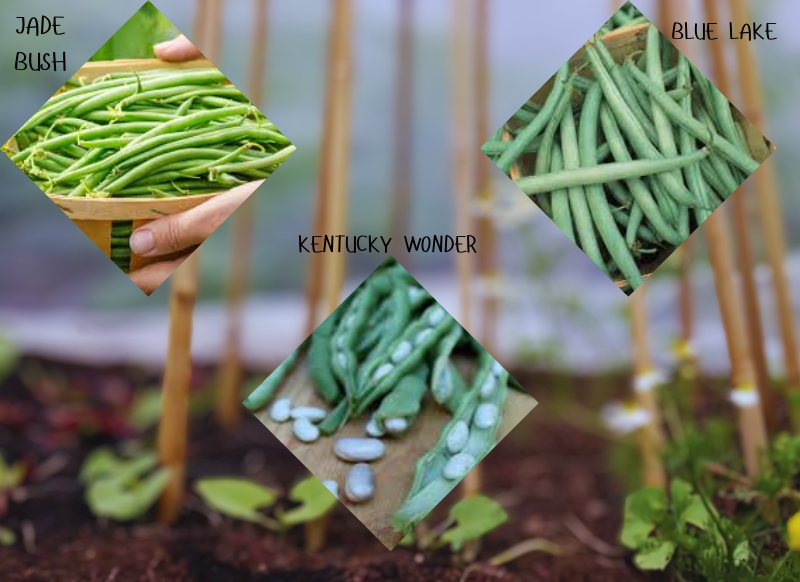
- Blue Lack: Blue Lake is well-known for its pencil-thin, stringless pods, which are ideal for storing or eating fresh. It is resistant to disease and tender.
- Kentucky Wonder: Kentucky Wonder is a tried and true classic that regularly produces large quantities of soft, stringless pods. It is solid, easy to expand, and a great place for beginners to start.
- Romano: These flat-podded beans are popular in Italian cooking because of their rich, nutty flavor.
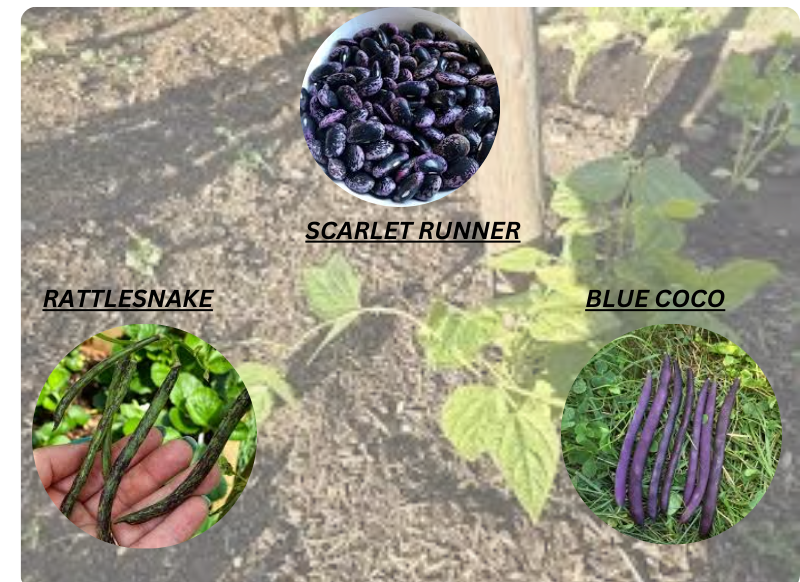
- Scarlet Runner: Scarlet Runner beans combine both beauty and utility with their tasty, savory pods and gorgeous scarlet flowers.
- Roc’D Snap Beans: The yellow-case Phaseolus vulgaris ‘Roc d’Or’ bean is also known as a wax bean. 52 days after planting, “Roc d’Or” produces yellow cases that are 6 inches long.
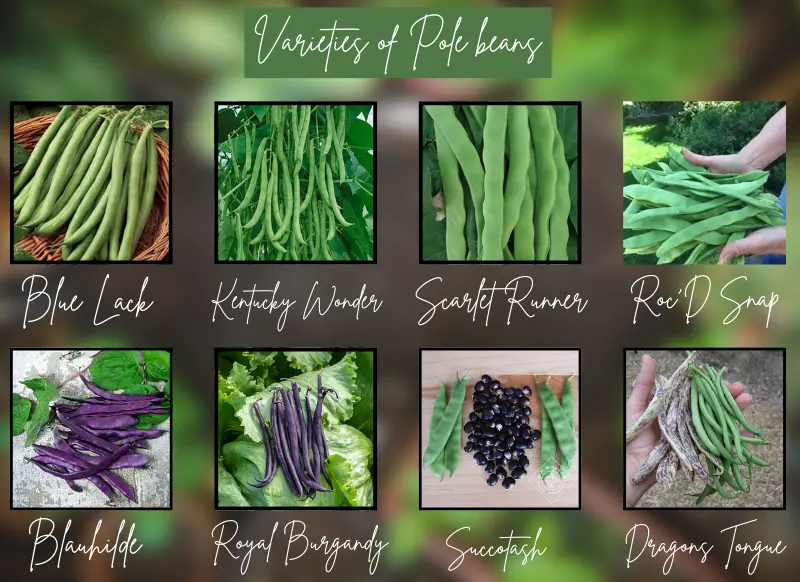
- Blauhilde: An eye-catching variety with deep purple pods that hold their softness and stringlessness even at lengthy sizes, and light purple flowers.
- Royal Burgandy: This pick is a high-yield producer that produces long, thin burgundy beans up to 20 inches.’Royal Burgundy Phaseolus vulgaris beans have nutrient-dense purple units that turn green when cooked.
- Succotash Beans: Producing creamy, tasty beans, this old heirloom variety has a long history in America and thrives in milder regions.
- Dragons Tongue: These flat beans, with a unique heirloom, have pale yellow pods with purple streaks that are crisp but soft when eaten fresh.
Comprehensive Selection Criteria
When selecting the perfect pole bean set for your garden, you must consider a few crucial factors. First, check your local area to ensure compatibility; some varieties thrive in cooler climates, while others are better suited for hotter climates. For instance, Kentucky Wonder is known for adjusting to various settings.
Some beans have a strong flavor that works well in stews, while others have a sweet, delicate flavor that works well for fresh salads. Blue Lake Pole beans are known for their unique taste and versatility in the kitchen.
The number of days to maturity may impact your planting schedule; in areas with shorter growing seasons, early-maturing varieties are beneficial. For instance, ‘Contender SE Bush’ beans are suitable for such areas because they mature in around 50 days.
A healthy harvest depends on disease resistance; selecting varieties that have been reproduced to fight off common bean diseases can reduce the need for complex medications. The high disease resistance of “Jade Bush” beans leads to their popularity among gardeners. https://info.ifa.coop/bean-varieties
Finally, think about your tolerance for heat and cold, especially if you live in an area with high temperatures. Some pole beans may be more prone to temperature changes, while others are more heat-tolerant and will yield later in the summer.
I grew ‘Kentucky Blue’ pole beans for a while, based on my personal farming experiences. They were a winner in my garden because of their adaptability to the changing conditions in my zone, as well as their sweet flavor and large yield. You can select pole bean varieties that will thrive in your specific conditions and satisfy your culinary needs by carefully taking these factors into mind.
Regional Varieties
If you choose the right pole bean varieties for your garden, they can significantly increase your yield, especially if they match your planting layout and regional climate.
I found that varieties like scarlet runner beans thrive in cooler climates, producing vibrant red flowers and a good harvest even in mild conditions.
‘Rattlesnake‘ pole beans have shown themselves to be especially heat-tolerant in warmer climates, yielding a lot of food in hot weather. As far as I can tell, producing blue cocoa beans paid for their resistance to both heat and cool climates, making them flexible to various conditions.
Basic varieties like ‘Emerite’ have proven successful for container gardening since they are a good size for small areas without sacrificing yield.
If you choose pole bean varieties that fit your particular conditions, you can participate in plentiful and flexible pole bean harvesting.
Best Soil and Location For Pole Beans
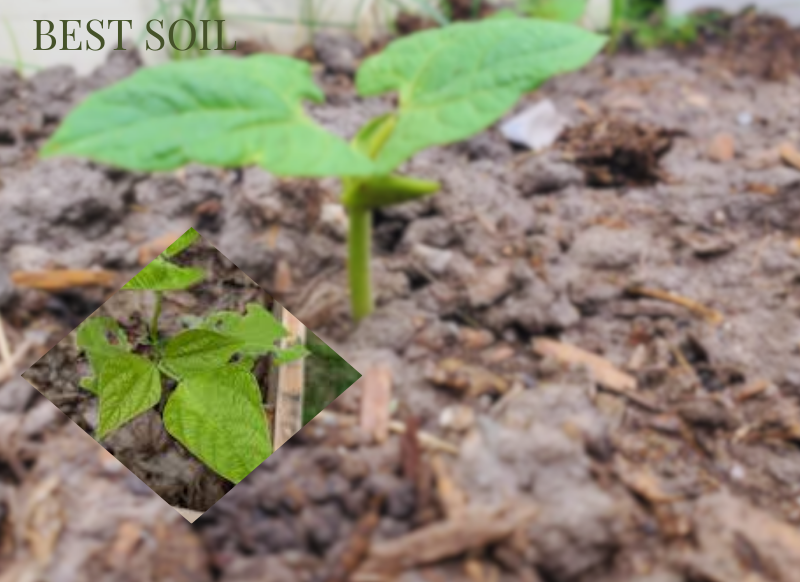
I can say with my experience and knowledge about gardening that when you select a site for planting, choose a sunny location. Well-drained sandy loam soil is best for pole beans. These climbing beans thrive in loamy, well-draining soil that is rich in organic matter and has a pH of 6.0 to 7.0, which is slightly acidic to neutral. Along with nourishing the soil, adding compost or aged manure before planting ensures consistent growth and colorful crops. https://vegento.russell.wisc.edu/wp-content/uploads/sites/249/2012/05/A3685.pdf
In terms of space, pole beans are sun lovers; to thrive, they require roughly 6 to 8 hours of direct sunlight each day. Because beans are sensitive to the cold, make sure the soil is warm before planting. Plant seeds when there is no longer a risk of frost and the soil temperature is continuously over 60°F (16°C).
Do not put them in areas with poor air circulation, as this may draw pests and diseases. A trellis, fence, or robust supports placed in a sunny, open location may support their vigorous vines, increasing their height while saving space. By focusing on these soil and location features, you may create an ideal environment for your pole beans, bringing in a fruitful and rewarding gardening experience.
Soil Testing and Prep
Understanding the condition of the soil is the first step in preparing it for pole-bean growth. To figure out maturity, pH balance, and supplement levels, start with a soil test. For precise results, send testing to a local expansion office.
In light of the findings, improve the soil by mixing organic materials such as fertilizer or compost that has grown; this will increase the soil’s surface, drainage, and accessibility. If required, adjust the pH; sulfur lowers it and lime rises it. In my experience, stronger growth of plants and higher yields have resulted from incorporating a 2-3 inch layer of compost into the topsoil before planting.
When planting, consider raised beds for easier support and better disposal of waste, especially in poorer or bad soils. In-ground setup works just as well, but it takes more effort to air circulate and update. These techniques will help your pole beans grow in soil that is rich in solid nutrients. If you want to know more about soil testing, read this: https://content.ces.ncsu.edu/a-gardeners-guide-to-soil-testing/
Step-by-step Planting Guide
I’ve found over the years that if you are careful with timing, preparation, and spacing, planting pole beans is easy and enjoyable. This is my tried-and-true strategy for making sure your pole beans grow well.
When to Plant Pole Beans: The Perfect Planting Window
When it comes to growing pole beans, then timing is important. When the soil has warmed to at least 60°F (16°C), which is typically up to 14 days following the last snow, these warm-season plants flourish. Seeds can spoil or germinate poorly if planted too soon in cold soil. Pole beans love consistent warmth, and I believe that summer is the ideal time to plant them. If you live in a colder climate, waiting until the soil is entirely warm will give your seeds the best chance to germinate.
Seed Starting Method
Pole beans can be sown directly into the garden’s soil because they are sturdy enough. There is an excellent case for starting them indoors because, under ideal conditions, they grow quickly. If, like me, you enjoy testing the seeds, you may give them an extra push by soaking them in water for 12 to 24 hours before. This process speeds up germination by softening the seed coat.
How to Plant: Spacing and Depth
Sow seeds about 1 inch deep in the ground when the season is perfect to plant. If they are too shallow, they may dry out; if they are too deep, they may struggle to grow. To allow your plants to rise and prepare for the proper airflow, space the seeds 4–6 inches away along the row and make sure the lines are 24–36 inches wide.
Support Structure
Pole beans require a strong support system to grow to their full potential because they are climbers. To avoid after-root disturbance, build trellises, poles, or teepee structures at planting time. Trust me, it makes a huge difference to give your plants something to climb as soon as possible. You will quickly grow colorful pole bean vines full of tasty, fresh beans if you follow these easy methods. One of the joys of vegetable growing is seeing them grow tall and fruitful!
If you want to watch this process, then click here:
How to Grow Pole Beans in Containers
Do you like to enjoy growing and eating green beans and pole beans just like me? But you don’t have a garden or room to grow them? If yes, then I’m here to help you fix the problem! Yes, you can enjoy fresh pole beans indoors.
I’ll tell you the simplest way to grow them in pots or containers. It’s enjoyable to grow pole beans in containers, especially if you don’t have enough garden area. I’ve been able to successfully grow them throughout the years in the following ways:
- Choose the right container: Choose a container that is 12 inches deep and at least 18 inches in width. There is plenty of space for growth of roots at this size. To avoid overwatering, make sure the container has drainage holes. You can use terracotta pots because its best for heat resistance.
- Soil Prep: Make use of a top-notch preparation mix enhanced with manure. This mixture ensures excellent drainage and provides the necessary nutrients. While beans are not heavy a lot, healthy growth is supported by a ripe soil basis.
- Planting Seeds: After the last frost, when the temperature is constantly above 60°F (16°C), sow the seeds straight into the container. The seeds should be planted 4-6 inches apart and roughly 1 inch deep. Each plant has enough space to grow due to this spacing.
- Watering and Maintenance: Make sure the soil is constantly wet but not soggy. Regular watering is a must because containers can dry out quickly, especially in hotter climates. Mulching the soil’s surface might help keep moisture.
You can also watch this video as a container gardening guide:
Care and Maintenance
Pole beans require proper care and maintenance to grow to their full potential. This means offering the proper quantity of water, caring for the plants, and protecting them from pests and diseases. If you want to get the best harvest, you must be aware of potential problems that your plants may face and know how to solve them.
Growing a plant is a great deal like bringing up a baby—you give your kid time and attention to help them grow nicely, and the same goes for your plants. For them to flourish, you must give them attention. So let’s move on to figure out how to properly care for and maintain your plants.
🌡️: PRO TIP
Try a variety of pole beans to find out which ones thrive in your climate. Some are better suited to colder climates, while others are more heat-resistant.
Watering
For pole beans to grow healthily, fertilization and irrigation are necessary. I have found that abundant harvests have resulted from regular moisture and appropriate nutrients.
It depends on how dry the soil is. You can check the soil by sticking your index fingers down into the soil; if it feels dry, then water, and if it feels wet, then don’t water. Because the beans must be immersed to awaken from their sleep, it is usually important to keep the garden wet during the germination period.
Pole beans require one to two inches of water per week on average. Pole beans do not like their roots soaked in water, but they also dislike drying out totally in between the waterings.
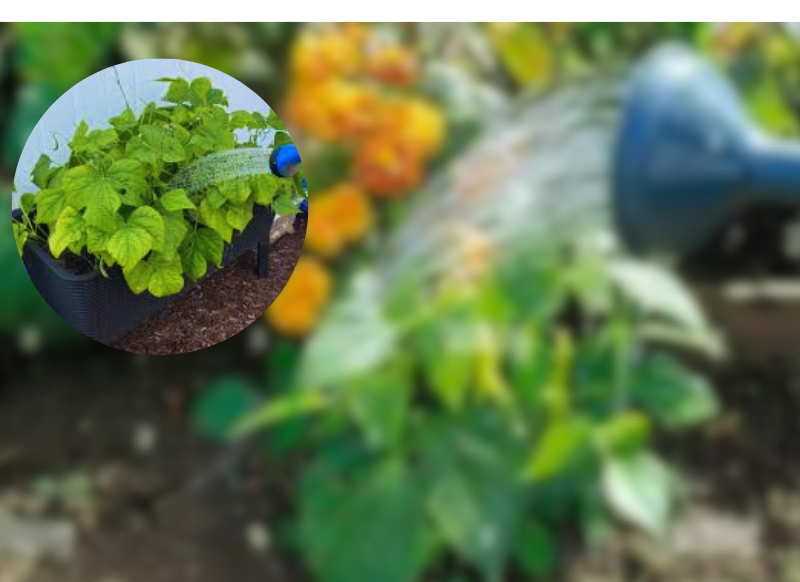
I assure you that keep the remaining planet parts consistently moist, especially during blooming and pod growth. Deep watering encourages roots to spread out, improving resistance to dry seasons. I like watering early in the day to allow leaves to dry and avoid overwatering to reduce the chance of disease. Pole beans like deep watering, and drip irrigation is a fantastic way to provide it to them.
Fertilizing
Before planting, I add manure to the soil to provide basic nutrients. Because excessive nitrogen may hinder pod enhancement, I use good compost with a low nitrogen level during the growing season. I follow the manufacturer’s instructions to avoid overtreating, which can cause excessive foliage growth that is harmful to beans.
Beans fix nitrogen into the dirt, so you don’t have to stress over-treating these plants, provided you’re growing them in solid soil in your raised beds. To give them a little boost throughout their growing season, I prefer to apply a side dressing of manure.
PRO TIP
Before planting, add compost or aged manure to the soil because pole beans are heavy consumers. Your plants will flourish and yield more beans all season long if you keep your soil healthy.
Pests and Diseases
I’ve had to maintain my vow of protecting my beans from diseases and pests throughout time. Cucumber beetles and protective bugs, who love to eat my beans and can quickly remove the leaves, may have been the biggest guilty party in my garden. I use diatomic earth (DE) powder to combat this, and it works well as a natural solution.
I usually use a puffer to apply it, but the drawback is that I have to reapply it frequently during downpours or when there is heavy dew. Growing my beans on an upper lattice has helped with wind flow and reduced the risk of fungal growth.
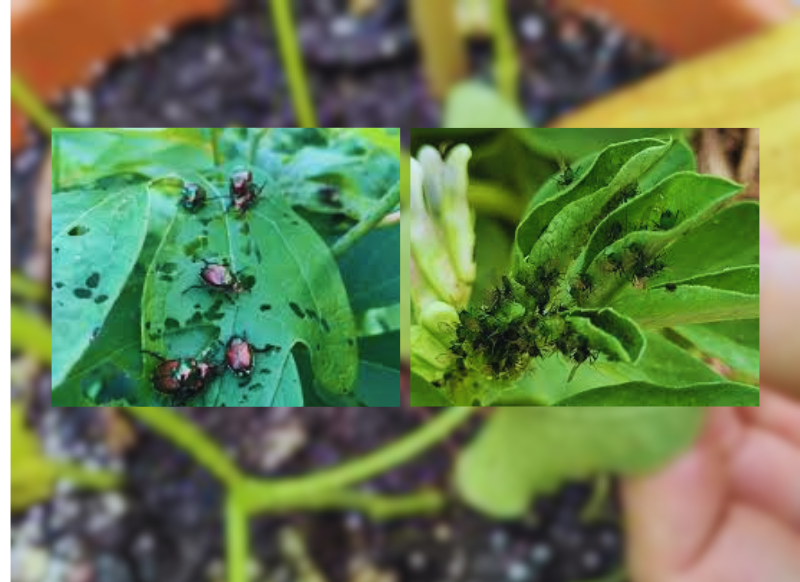
When I see major problems, I remove them the hard way, which is simple but effective. I use a soaker tub to thoroughly wash the plants, which effectively removes aphids. To prevent any spread, I cut off any leaves that appear to be yellowed or damaged in any way.
When I’ve had to trim more than thirty-three percent of the plant, I’ve decided it’s best to get rid of the problematic plant entirely. I have also tried using homemade insecticidal soap, but I learned the hardest lesson possible: to be careful, especially in warm climates, because it can result in burns if not used correctly!
Pole Bean Problems
According to my experience growing them, I’ve found that growing pole beans can come with a few challenges. One common problem is pest infection that can damage the leaves and pods, especially cucumber beetles and bean leaf beetles.
Plus, insufficient water, improper temperatures, or deficiencies in nutrients, especially nitrogen, can result in yellowing of the leaves and harm growth. So friends, if you want to ensure a healthy and useful yield, it is important to focus on these factors when growing pole beans.
When and How to Harvest Pole Beans?
Guys, I can understand that It’s a really happy moment for any gardener to see their crop ripen and be ready for harvest, especially if they obtain a big yield. But first, it’s important to understand when and how to harvest pole beans.
In my experience, timing and frequency are related to pole bean harvesting. I usually wait till the pods are about 5 to 8 inches long, although I usually check the seed packet for clear instructions. When they’re ready, I carefully trim the pods with a clean pair of pruners or scissors, taking care not to damage the plants. Harvest every three to five days to ensure continuous production.
I try to keep the seeds in the pods from fully maturing because doing so reduces the plant’s ability to produce more beans. You’ll need at least three to five plants for each person to keep up with the demand for new beans if you’re like my family. You may find this video useful as a visual guide to harvesting pole beans:
How to Store Pole Beans?
I want to tell you how I store my pole beans. As per my experience and a little research, properly storing pole beans is necessary for maintaining their freshness and flavor. After harvesting, I store fresh beans in my refrigerator’s cooler cabinet, unwashed, in a plastic storage bag or container to retain moisture. For almost seven days, this method keeps them fresh.
I quickly boil the beans and then chill them in an ice shower to whiten them for a longer period of storage. After drying, I place them in cooler packs or tight containers and freeze them. Their quality is long-term protected by this process.
Conclusion
Overall, growing pole beans is a joyful experience that offers high yields as well as health benefits. Pole beans are perfect for gardeners who want to increase their gardening space while still enjoying a satisfying, large harvest because of their space-saving growing structure and their constant harvesting throughout the season.
By choosing the proper variety, giving true attention, and remaining constant during harvesting, you may ensure a plentiful bean harvest. I genuinely think the effort required to grow them was well worth it, and I hope that these tips help you make the same progress in your garden. If you follow my guidelines and grow your own pole beans successfully, then I will truly be happy, so don’t forget to comment and share your experiences.
Frequently Asked Questions

About Author
Welcome! I’m Amelia, your dedicated gardener and passionate advocate for all things green.Explore my gardening journey through beautiful photos, insightful articles, and helpful tips. If you have any questions or just want to connect, feel free to drop me a note. Let’s grow together!